


Anxiety
Anxiety Medication
Learn about common side effects, risks, and taking medication responsibly

This therapist directory is offered in partnership with BetterHelp. If you sign up for therapy after clicking through from this site, HelpGuide will earn a commission. This helps us continue our nonprofit mission and continue to be there as a free mental health resource for everyone.
Need to talk to someone now? Find a crisis helpline
If you're a BetterHelp therapist with questions about your directory listing, please contact therapists@betterhelp.com
Zoloft (sertraline) is a commonly prescribed medication for long-term anxiety treatment. Learn more about how this medication works and its side effects.
Zoloft is the brand name for sertraline, an antidepressant medication. It belongs to a class of drugs known as selective serotonin reuptake inhibitors (SSRIs). The Federal Drug Administration (FDA) has approved it to treat conditions such as depression, obsessive-compulsive disorder (OCD), panic disorder, social anxiety disorder, and post-traumatic stress disorder PTSD). Doctors might also prescribe this drug off-label—meaning for reasons not approved by the FDA—to treat generalized anxiety disorder (GAD).
Zoloft can be an option if you feel as if anxiety has taken control of your life. Maybe you always feel tense and on edge, and nothing seems to calm you down. Perhaps you find yourself caught in spirals of negative thinking that prevent you from being fully present at work or in relationships.
Many top-rated online psychiatry platforms prescribe Zoloft as a treatment for anxiety. However, if you’re curious or concerned about the medication’s effects, learn more about how it works, potential side effects, and alternative options. All of this information can inform your next steps in your journey to better mental health.
Zoloft works by increasing a brain chemical called serotonin. More specifically, it blocks nerve cells from reabsorbing it, leading to higher serotonin levels. Serotonin helps regulate your emotions and moods. The more of it you have, the happier and calmer you feel. On the other hand, less of it is often linked to higher anxiety and depression.
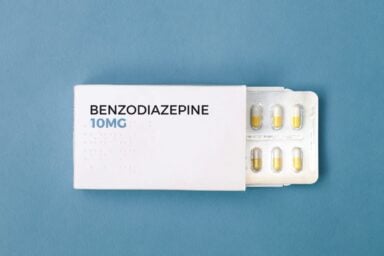
Zoloft is considered one of the go-to medication options for people struggling with anxiety disorders. This is partially because SSRIs in general have fewer side effects than other anxiety-reducing medications. For instance, another class of drugs called benzodiazepines works faster than SSRIs, but can also be more addictive when used long-term.
To treat anxiety, a doctor might start you on a dose of 25 or 50 mg per day, and then increase it as necessary. For instance, if the improvements are very slight, you might go from 50 mg to 75 mg per day. The specific dose your doctor recommends will depend on factors like your age, tolerance, and if you’re dealing with additional issues, such as depression.
You won’t notice the effects of Zoloft overnight. Unlike fast-acting alternatives, such as benzodiazepines, SSRIs lead to gradual changes. Some research suggests that the medication reduces anxiety symptoms within six weeks.
However, it’s possible you’ll see improvement in your mood sooner than that. For instance, you may notice the initial effects after a couple of weeks, followed by a further drop in anxiety as time goes on.
The common side effects of Zoloft include:
Many of these side effects typically go away as your body adjusts to the medication. This may take several weeks. If the side effects persist or even worsen, don’t hesitate to reach out to your doctor.
Additionally, in rare cases, Zoloft can cause more severe side effects. For instance, an increase in suicidal thoughts is possible, particularly in young adults. Other serious side effects could include seizures or manic episodes.
Your doctor will take special care to make sure your Zoloft prescription doesn’t have a negative effect on other substances you may be taking. For example, medications such as monoamine oxidase inhibitors (MAOIs) and herbal supplements such as St. John’s Wort affect serotonin levels. So, when combined with Zoloft, they can cause serotonin syndrome, a dangerous condition in which too much serotonin leads to problems like delirium, high blood pressure, and tremors. Your doctor might also warn you to avoid drinking alcohol while taking Zoloft.
Although it’s generally considered safe for pregnant women, if you are pregnant, you should consult your doctor to weigh the risks against the benefits.
Talkspace offers affordable mental health care plans—and also accepts insurance. Take their assessment to get matched with a licensed therapist or psychiatrist and schedule your first session. Use special offer code HELPGUIDE85 for $85 off.
Take Assessment HelpGuide is a user-supported nonprofit. We earn a commission if you sign up for Talkspace’s services after clicking through from this site. Learn moreHere are some ways to maximize the benefits of Zoloft and minimize the risks associated with its use.
Only take it under medical supervision. If your symptoms worsen or if side effects cause you any concern, you can talk to your provider about other options. Your doctor can also answer any other questions you have about Zoloft and what to expect while taking it.
Do not suddenly stop taking it. When you stop taking Zoloft you might experience withdrawal symptoms, such as nausea, irritability, and anxiety. It’s important to taper off your usage because suddenly quitting can make the withdrawal worse. Talk to your doctor if you want to stop taking the medication.
Be consistent. Whatever time of day you decide to take the medication, maintain that schedule. Use a daily alarm as a reminder if necessary. Being consistent with your dosages ensures the levels of the medication in your system remain stable.
Combine medication with therapy. Think of medication as just one part of a broader plan. For instance, finding a therapist who specializes in cognitive behavioral therapy (CBT) can be a helpful step. Explore our top online therapy platforms for some options.
Zoloft isn’t for everyone. Perhaps the side effects worsen your quality of life, or maybe the drug simply doesn’t seem to improve your mood. Your doctor may recommend these alternative options for anxiety medication.
Other SSRIs. Even medications in the same class can differ in effectiveness and side effects. For instance, some research suggests that Lexapro (escitalopram) may have fewer side effects than sertraline. If the effects of Zoloft make you uncomfortable, your doctor may suggest changing your medication.
SNRIs. SSRIs only affect serotonin. However, serotonin-norepinephrine reuptake inhibitors (SNRIs) affect both serotonin and another brain chemical called norepinephrine. SNRI medications, such as Cymbalta (duloxetine) and Effexor (venlafaxine), might be more effective for certain people. They also have the potential to have more side effects, including insomnia and nausea.
Benzodiazepines. Medications such as Xanax (alprazolam) and Valium (diazepam) can reduce anxiety within minutes. Unlike SSRIs and SNRIs, they’re only intended for short-term use because they can be addictive.
Beta-blockers. Beta blockers, such as propranolol, can decrease the uncomfortable physical symptoms of anxiety, such as shakiness, rapid heartbeat, or sweating. Beta blockers work quickly, so they might be useful if you deal with situational anxiety.
Medication is just one tool to find anxiety relief. Some additional steps to take include:
When combined with medication, these steps can significantly improve your mood, reduce anxiety, and help you live a more fulfilling life.
Last updated or reviewed on November 6, 2025Learn about common side effects, risks, and taking medication responsibly
Cognitive behavioral therapy, exposure therapy, and other options

Lexapro (escitalopram) is an FDA-approved medication for long-term anxiety treatment. Learn more about how this medication works and its side effects.

Millions of readers rely on HelpGuide.org for free, evidence-based resources to understand and navigate mental health challenges. Please donate today to help us save, support, and change lives.
Donate to HelpGuide.org today