


Anxiety
Anxiety Medication
Learn about common side effects, risks, and taking medication responsibly

This therapist directory is offered in partnership with BetterHelp. If you sign up for therapy after clicking through from this site, HelpGuide will earn a commission. This helps us continue our nonprofit mission and continue to be there as a free mental health resource for everyone.
Need to talk to someone now? Find a crisis helpline
If you're a BetterHelp therapist with questions about your directory listing, please contact therapists@betterhelp.com
Hydroxyine is an antihistamine that might also offer short-term anxiety relief. Learn about this medication, its benefits, and its limitations.
Hydroxyzine is a type of drug called an antihistamine, often used to treat allergy symptoms, such as itching. One form of the medication, hydroxyzine pamoate, is sold under the brand name Vistaril. The other form, hydroxyzine hydrochloride, was formerly available under the brand names Atarax and Orgatrax.
Doctors can also prescribe this drug for non-allergy symptoms. For instance, because it can reduce brain activity and have a calming effect, the Federal Drug Administration (FDA) has approved it as an anxiety treatment.
If you find yourself experiencing occasional but intense waves of anxiety, this medication might offer much-needed relief.
Hydroxyzine affects a chemical in your brain called histamine, which is associated with feeling alert and stimulated. By blocking the effects of this chemical, hydroxyzine calms your nervous system. The medication also increases serotonin, a chemical that helps regulate your mood. As a result, after taking hydroxyzine, you quickly begin to feel less nervous, and your tension subsides.
You might use hydroxyzine to calm your nerves before a high-stress situation or when you feel overwhelmed by an anxiety attack. The medication can also help you find relief from issues like occasional insomnia.
Your doctor might prescribe it as an alternative to benzodiazepines, other drugs that offer quick, short-term anxiety relief. However, similar to benzodiazepines, hydroxyzine is not intended as a long-term solution for anxiety. Using it too often can make you feel overly drowsy, affect your focus, or lead to problems with heart rhythm. Hydroxyzine also becomes less effective if you use it regularly. In other words, you develop a tolerance.
The recommended dosage will depend on your specific needs. For instance, to manage anxiety, your doctor might instruct you to use 25 to 100 mg, up to four times daily. The doctor will ultimately make a dosage decision based on factors like your age, body weight, and other medications you might be taking.
For more guidance on dosage, you’ll want to talk directly with a psychiatrist or doctor. Find the right one for you on our top-rated online psychiatry platforms.
Hydroxyzine is a fast-acting drug. Although you might feel its effects within 15 to 60 minutes after taking a dose, it can reach its maximum effect within two hours. It can remain in your system for several days, but you might only feel the effects for about four to six hours.
Talkspace offers affordable mental health care plans—and also accepts insurance. Take their assessment to get matched with a licensed therapist or psychiatrist and schedule your first session. Use special offer code HELPGUIDE85 for $85 off.
Take Assessment HelpGuide is a user-supported nonprofit. We earn a commission if you sign up for Talkspace’s services after clicking through from this site. Learn moreSome common side effects of hydroxyzine include:
Confusion is another possible side effect, particularly if you’re an older adult using the medication.
If any of these side effects worry you or make you feel uncomfortable, don’t hesitate to talk to your doctor. You might be prescribed a lower dosage or perhaps even a different medication.
Hydroxyzine can also come with more serious side effects. If you experience uncontrollable trembling, seizures, and rashes or sores, reach out to your health provider. The medication can also impair your ability to stay alert, so you’ll want to be careful about when and where you take it.
People with certain conditions might not be prescribed the medication. For instance, if you’re in early pregnancy or have a condition that affects your heart rhythm, your doctor might recommend a different approach. It should also be used with special caution if you have a condition such as asthma, chronic obstructive pulmonary disease (COPD), or another respiratory issue. It could potentially worsen breathing issues.
The following tips can help you safely benefit from hydroxyzine’s anxiety-relieving effects.
Use it only for occasional anxiety flare-ups. If intense anxiety is a persistent problem and you believe you’d benefit more from a daily medication, talk to your doctor about other options.
Use it in combination with other long-term treatments. Despite how beneficial it is, hydroxyzine isn’t a replacement for therapy or medication intended for long-term use. Instead, use it to complement those approaches. For instance, you might attend cognitive behavioral therapy (CBT) sessions to learn coping tools, while also using hydroxyzine when a wave of anxiety feels particularly severe.
Always start at the lowest effective dose. Your doctor may start you off with a low dosage. Talk to them if you think you need a higher dosage or feel the need to take it more frequently than recommended.
Avoid driving or operating machinery until you know its effects. Because it can cause drowsiness, you shouldn’t take it and then put yourself in a situation where you need to be alert.
Depending on your needs and the side effects, hydroxyzine might not be the right medication for you. Fortunately, a doctor can direct you to plenty of other anxiety relief options. Some options include:
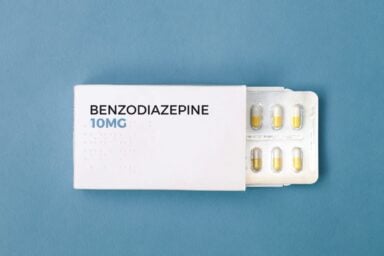
Benzodiazepines. This class of drugs includes medications like Xanax (alprazolam) and Valium (diazepam). Like hydroxyzine, they’re fast-acting and offer short-term relief. However, they’re not a good option for long-term use because of their addictive nature.
SSRIs and SNRIs. Selective serotonin reuptake inhibitors (SSRIs) and serotonin-norepinephrine reuptake inhibitors (SNRIs) are typically first-line treatments if you need medication for long-term anxiety management. SSRIs, such as Zoloft (sertraline) and Prozac (fluoxetine), increase serotonin. SNRIs, such as Cymbalta (duloxetine) and Effexor (venlafaxine), affect serotonin and another chemical called norepinephrine. Both are antidepressants that can help regulate your emotions and moods.
Beta-blockers. Beta blockers, such as propranolol, might help reduce physical symptoms of anxiety. For instance, they can help you relax when you’re experiencing the rapid, pounding heartbeat that comes with anxiety.
Although medication can be an important tool in reducing anxiety, it will likely be just one part of a broader treatment plan. For instance, you might decide to make mindfulness meditation practices a regular part of your day. Or you could find a stress-relieving exercise routine you enjoy with friends.
A trusted therapist can also be an important part of your mental health journey. The right provider can give you tools and strategies to manage your anxiety. We ranked our picks of the best online therapy platforms to help you find the right one for you.
Last updated or reviewed on November 5, 2025Learn about common side effects, risks, and taking medication responsibly
Cognitive behavioral therapy, exposure therapy, and other options


Lexapro (escitalopram) is an FDA-approved medication for long-term anxiety treatment. Learn more about how this medication works and its side effects.

Millions of readers rely on HelpGuide.org for free, evidence-based resources to understand and navigate mental health challenges. Please donate today to help us save, support, and change lives.
Donate to HelpGuide.org today